





How Vegasnow Withdrawal Time Fits Real Play
Most players do not think about payout speed while choosing a game. They think about it later, usually right after a session ends and the balance finally looks worth moving. That is why this topic matters: the money path often starts before the request itself, with account details, method choice, and the way the platform reviews activity. For legal-age players in Australia, the process also sits inside ordinary account checks and applicable local rules.
Imagine a player finishing an evening session on a phone during the commute home. The request is sent in a minute, and the expectation is simple - done means done. In practice, there is often a review step first, then a release step, then the payment provider’s own posting rhythm. Knowing that sequence makes the wait easier to read.
The speed can also change from one attempt to the next. A modest request sent through a familiar method may move with little friction, while a larger amount or a new destination can trigger extra checks. What matters most is whether the player prepared for those checks before pressing the final button.
Why The Clock Starts Before The Request
Timing is rarely only about the final click. It usually starts earlier, when the account holder adds payment details, confirms personal information, and uses the profile in a consistent way. If something does not match later, the review can become longer even when the request was submitted correctly.
Picture a player who changed cards last week but forgot to remove the old one from the wallet section. The request may still go through, yet the platform may pause the release to confirm where funds should go. A small cleanup step in advance often saves more time than any message sent after the delay begins.
Payment Routes Players Usually Compare
The method itself shapes part of the experience. Some routes feel familiar because people use them every day, while others appeal because they keep play spending separate from a main bank card. None is automatically best in every case. The practical question is simpler: which route matches your habits, your bank, and the kind of waiting you can tolerate?
If you play casually once or twice a week, convenience may matter more than shaving off a processing step. Usually players do best when they pick one or two methods and keep them tidy instead of switching every time.

Method type | What happens first | Where delays often appear | Best habit before cashout |
|---|---|---|---|
Bank card return | Internal review | Card issuer posting cycle | Check the card is still active and matches your profile |
E-wallet | Account match and release | Name mismatch or extra security prompts | Use the same registered details across accounts |
Bank transfer | Approval and settlement handoff | Banking hours and transfer routing | Recheck account number and account limits |
Voucher-linked balance path | Balance conversion or transfer check | Extra confirmation step | Read method rules before funding the account |
When Vegasnow Withdrawal Meets Verification
Verification is often the point where players feel the process slow down, even though the check may protect both the account and the payment route. The review can look repetitive from the outside: confirm identity, confirm ownership, confirm that the request fits previous account activity.
Imagine uploading a document in a hurry from a dim room, with part of the image cropped. The file may be readable to you and still unusable for review. Usually the fastest approach is simple: bright light, full frame, matching details, and no last-minute edits in the profile right before the request.
What Players In Australia Should Check First
For users in Australia, the most useful mindset is local practicality, not guesswork. Check that your chosen payment route works smoothly with your bank or wallet, that your name appears the same way across accounts, and that your phone number and email are current. Those are ordinary details, but they influence support conversations and security reviews more than players expect.
Suppose you are trying to move funds late on a weekend and your bank app is already showing delayed postings on other transactions. In that case, part of the waiting may happen after release rather than inside the gaming account. Knowing where the handoff happens keeps you from chasing the wrong problem.
Common Delays And How To Avoid Them
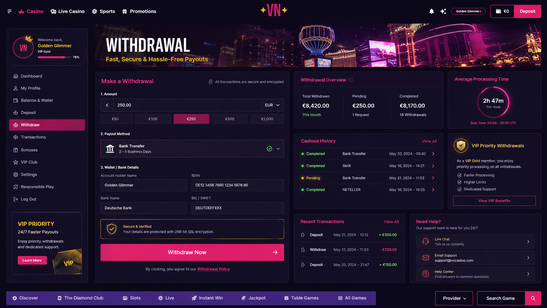
Delays often come from small mismatches, not dramatic issues. A new card, an outdated address, a request placed right after a large deposit, or a sudden switch in play pattern can all lead to extra questions. None of those situations automatically means something is wrong.
Players also create friction by submitting repeat requests or contacting support every few minutes with different explanations. That usually does not speed anything up. A cleaner approach is to check the request status once, gather the needed documents, and send one complete message if something clearly needs attention.
Think of a player who wins, requests a payout, cancels it, plays again, then requests once more through another method. From a user perspective, that may feel flexible. From an operations perspective, it creates a messy trail. Consistent actions usually lead to faster outcomes than reactive changes made under pressure.
Request Size And Account History
Larger amounts tend to draw more review than routine cashouts. That is not a promise of delay, but it is a common pattern across gaming payments in general. When the amount is unusual for the account, reviewers may look more closely at identity history, payment ownership, and whether earlier checks are still valid.
Imagine a player who normally withdraws modest sums and then, after a strong weekend, submits a much larger request all at once. In many cases, splitting expectations helps: the player should be ready for review while also checking whether the platform allows staged processing.
Timing Of Deposits, Bonuses, And Playthrough
Another source of waiting comes from the relationship between recent funding, active promotions, and release rules. If a bonus is still attached, if turnover conditions are still open, or if the system has to settle recent activity, the request may not move instantly.
Picture someone claiming a promotional offer, playing a short session, then trying to move the remaining funds immediately. The platform may first need to separate locked funds from cash balance or confirm that the promotion no longer affects the request. That is why experienced players usually check the wallet summary before they try to leave.
Mobile Habits That Keep The Process Smooth
A lot of payout management now happens on mobile. That sounds convenient, and it is, but mobile use creates its own mistakes: autofill inserts an old address, screenshots cut off details, banking apps switch sessions, and users jump between tabs too quickly. A smooth request on a phone depends less on speed and more on slowing down for half a minute.
If you mostly play on mobile in Australia, keep a short routine. Open the profile, confirm contact details, check your method, review any pending promotion, then submit the request. This is not glamorous advice, yet it prevents a surprising number of avoidable holds.
Players often say the process feels simpler on a desktop because they can see more at once. That may be true, but many requests are completed on phones without trouble. The difference is usually not the device. It is whether the player treats the phone like a quick tap tool or like a full account screen.
Support Messages That Actually Help
Support becomes useful when the question is specific. “Where is my money?” feels natural, but it is harder to act on than a message listing the request time, chosen method, current status, and whether verification was completed. Clear messages tend to produce clearer replies.
Imagine contacting support after midnight with three separate chats, each using slightly different details because you are frustrated. That can slow the conversation rather than solve it. Usually the best move is one calm message, one set of facts, and enough time for the team to check the account properly.
Control Tools And Safer Cashout Decisions
Good payout habits are not only about speed. They are also about decision quality. Players who feel tired, frustrated, or overly excited are more likely to reverse a request, chase losses, or ignore account notices that matter. The smartest withdrawal is often the one you leave alone once it is submitted.
Many platforms also offer control tools such as session reminders, spending limits, cooling-off options, or longer breaks from play. These features matter because they reduce impulsive behavior right when a balance becomes emotionally charged.
Picture a user who lands a decent win after a long session and feels the urge to continue because the balance looks strong. Setting a pause or moving away from the app for ten minutes can be more valuable than any tactical decision inside the cashier. The goal is not only to get funds out. It is to protect the decision to move them out.
What A Timeout Changes In Practice
A short break changes the rhythm of account use. It can stop the back-and-forth cycle where a player requests funds, reopens the account, and starts wagering again. In practical terms, that often improves the chance that the request stays untouched and the player makes calmer choices the next day.
If you know your pattern is impulsive after a win or a loss, a timeout is less a punishment than a tool. Usually players discover that the hardest part is not sending a request - it is respecting it after the emotional moment passes.
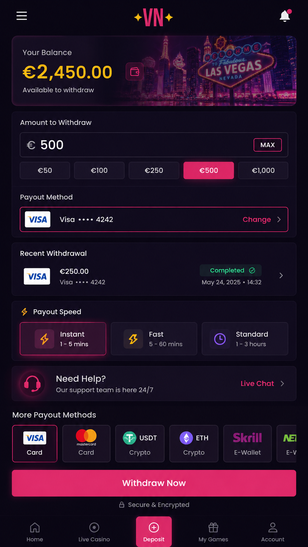
A Simple Checklist Before You Cash Out
Before sending a request, check four things: identity details, payment ownership, wallet conditions, and your own state of mind. That last one matters. If you are rushing, angry, or trying to squeeze in one last spin before bed, errors become much more likely.
Then check the boring items one more time. Is the destination method current? Are there any open promotional conditions? Did you recently change personal details? Do notifications show any pending review? Players often skip these questions because they want certainty immediately, but certainty usually comes from preparation, not speed.
Now imagine the opposite scenario. You finish a session, step away for five minutes, open the account again, and treat the cashout like a small admin task rather than a dramatic finale. That shift in attitude changes a lot. Fewer mistakes happen, support is easier to deal with, and the waiting feels more manageable because you know the process is clean.
A final point for 2026: players expect smoother payment flows than they did a few years ago, but smoother does not mean invisible. Reviews, bank posting windows, and account checks are still part of the chain. The useful mindset is not “why is this taking any time at all?” but “which part of the chain am I in right now?”