





What Vegasnow App Download Means In 2026
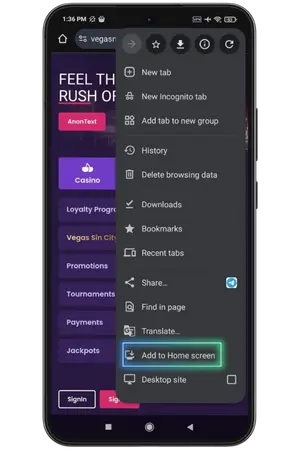
For most players, the mobile version is no longer a backup option. It is the main way they sign in, check balances, review account history, and fit short sessions into ordinary routines. That is why the installation stage matters so much. If the first steps feel rushed or vague, the entire experience starts with friction. If the setup feels clear, the platform immediately looks more manageable for adult users in Australia.
Imagine finishing work, opening your phone, and deciding to test the platform during a quiet half hour. Usually players in that situation do not want a maze. They want a clean path from setup to sign-in, a readable account area, and enough clarity to decide whether the service suits their habits before they spend real money.
Before Installing On Your Phone
The smartest move is to treat the setup like a quick system check rather than a race to the lobby. Look at your device storage, confirm that your connection is stable, and decide whether you are installing for short daily visits or for longer evening sessions. Those details shape the first impression more than many players admit.
Imagine trying to install while commuting or standing in a queue. Most users rush, tap through notices, and then blame the platform when something feels off. Usually the better approach is to wait a minute, settle into a stable connection, and complete the process when you can actually read the prompts without distraction.
Another useful habit is to think ahead about where the mobile product will fit into your routine. Some players use it mainly for quick balance checks and short game sessions. Others want the full account workflow on a smaller screen. If you know which type of user you are, it becomes easier to judge the setup fairly instead of expecting the phone version to behave exactly like a desktop session.
What To Check Before The First Login
Once the installation is complete, do not rush straight into play. Open the account area first, study the layout, and see where support, history, and responsible-play tools are placed. If you know where the key controls are before emotions enter the picture, your first real session usually feels calmer and easier to manage.
Imagine opening the software late at night after a long day. Usually players in that mood want immediate entertainment, not another layer of setup. Still, taking two careful minutes here pays off. You can confirm whether the navigation is intuitive, whether text is readable on your screen, and whether the profile section feels built for actual use.
Using The Cashier After Setup
The payment area should be inspected early, even if you are not ready to make a deposit. Doing that removes pressure later. A good cashier is not only about variety. It is about visibility, logic, and the feeling that each money-related step has a clear place. Adult players in Australia usually benefit from learning this section before the first funded session, not during it.
Imagine liking the platform enough to return on the weekend. If you already know where the payment tools live, how the activity page looks, and where account limits can be adjusted, the second visit starts with control instead of guesswork.
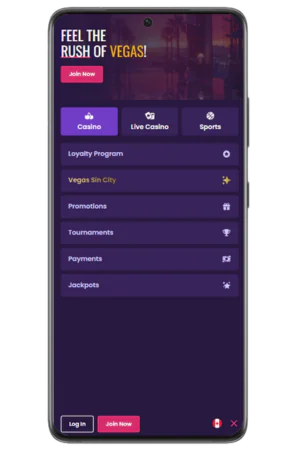
Area | What To Review | Why It Helps |
|---|---|---|
Payment methods | Which options appear for your region | You learn whether the platform suits your routine |
Activity history | How deposits and withdrawals are listed | Tracking becomes easier later |
Account prompts | Where extra checks may appear | Surprises feel smaller when expected |
Limit settings | Daily, weekly, or session controls | Budget decisions stay clearer |
Help access | How support is reached from the account | Small issues take less time to solve |
Budget Habits Before A Deposit
Most problems in mobile gambling begin before the first spin or hand. They begin when a user opens the cashier without a number in mind. A practical approach is simple: decide the budget first, choose the method second, and open the games only after both decisions are locked in. That order keeps money choices separate from in-game emotion.
Imagine checking the cashier after a pleasant trial session and feeling tempted to keep the momentum going. Usually that is the exact moment when restraint matters most. Set a figure that fits your entertainment budget, not your mood, and decide in advance what would make you stop for the day.
How Vegasnow Casino App Fits Daily Use
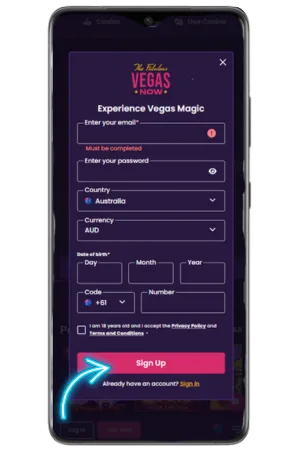
Mobile play lives or dies by flow. A user should be able to sign in, review the profile area, enter a game category, return to settings, and leave the session without feeling trapped inside layers of menus. That is what makes a phone version practical in 2026. The question is not whether it looks impressive for ten seconds. The question is whether it stays readable and usable during normal life, when the player is distracted, short on time, or simply tired.
Imagine opening the software while waiting for food or sitting on public transport. Usually the available time is short. In that situation, clear navigation matters more than novelty. A good mobile experience respects quick sessions. It lets users orient themselves fast, make one or two deliberate choices, and exit cleanly without extra taps or confusion.
There is also a rhythm issue. Desktop users often compare many categories at once, but phone users usually behave differently. They pick one direction, check one part of the account, and decide quickly whether to continue. That means the platform works best when it supports narrow, focused sessions instead of encouraging endless wandering through the interface.
Registration, Verification, And Session Flow
The account journey should feel like a sequence, not a puzzle. First comes registration. Then the profile review. Then any identity or security prompt. Then the first controlled session. When platforms mix those steps together or hide them inside too many menus, users feel uncertain even if nothing serious is wrong.
Imagine a player creating an account after hearing about the service from a friend. Usually that person wants reassurance through structure, not through slogans. A clean sequence does the job better than big claims because every clear step reduces doubt.
Creating The Account Without Rushing
Registration works best when done slowly enough to avoid avoidable mistakes. Type carefully, review each field, and confirm that your details match the identification you may need later. Many users think this advice is too obvious to matter. Then they mistype one detail and turn a two-minute signup into a longer support issue.
Imagine creating the profile on a small screen while switching between apps. Usually that is when errors happen. The better approach is to finish one step completely before moving to the next. That sounds basic, but it can save real time later when the account begins asking for confirmation or history becomes important.
Reviewing Documents And Account Prompts
Verification is rarely exciting, but it is part of adult play on many platforms. The practical question is not whether prompts appear. It is how clearly they are presented. A useful account area tells you what is needed, where to submit it, and what part of the profile it affects.
Imagine opening your account and seeing a prompt you did not expect. Usually the best move is not to panic or close the session immediately. Read the message, check the profile area, and handle one request at a time. When users treat prompts as part of setup rather than as a personal problem, the process often feels more manageable.
Starting The First Real Session
The first funded session should be smaller and calmer than players imagine. It is not the moment to prove anything. It is the moment to see how the full workflow behaves once real money, account history, and session tracking are involved. Open one category, monitor how the balance updates, and stop early enough to review how the account records the activity.
Imagine getting comfortable after a few minutes and wanting to keep going just because the flow feels smooth. Usually disciplined players do the opposite. They finish the first session on purpose, study the history page, and decide later whether the platform deserves more time.
Mobile Navigation And Support Tools
Support is often judged only when something goes wrong, but its placement matters even when everything is working. On a phone, patience runs out quickly. If help, settings, and responsible-play controls are hard to find, frustration arrives faster than on desktop. That is why these sections deserve attention before any long session begins.
Imagine a minor issue appearing when you only have ten minutes free. Usually you do not want to search through five menus. You want one clear route to help and one clear way back to your account.
What Makes Small-Screen Play Easier
Small-screen play becomes easier when the interface supports quick orientation. The top navigation should make sense, category labels should be readable, and balance information should remain visible enough that you never feel detached from the financial side of the session. Those details are practical, not cosmetic.
Imagine opening the platform after dinner for a brief check-in. Usually players in that situation are not trying to explore everything. They want to resume quickly, look at one or two familiar sections, and log out without friction. A phone version that supports that rhythm tends to feel stronger over time.
Timeout, Limits, And Self-Exclusion
Protective tools should not be hidden like emergency buttons. They are part of normal account management for adult users. A sensible platform makes it easy to lower limits, set session reminders, take a cooling-off break, or step away for longer if the routine stops feeling healthy. The best time to inspect these controls is before you need them emotionally.
Imagine noticing that a quick session is stretching past the time you planned. Usually that is the right moment to act early, not later. A short timeout or a stricter limit is often easier to use when you are still calm.
How Players Judge Long-Term Fit
After the first few sessions, the question changes. It is no longer whether the setup worked. It becomes whether the mobile experience fits ordinary life. Can you sign in quickly on a weekday? Can you review activity without hunting through menus? Can you set a boundary and leave without feeling pulled back in? These are the details that decide whether a platform stays in rotation for adult players in Australia.
Imagine someone who only logs in on quiet weekends. Usually that person is not chasing constant novelty. They want consistency. The same account controls should stay easy to find, the same support path should remain clear, and the same budget habits should still make sense each time. When the routine stays stable, trust grows slowly but naturally.
Long-term fit also depends on honesty during self-review. Some players realize they prefer desktop for deep browsing and only use the phone version for short sessions. Others discover the opposite. Neither pattern is wrong. What matters is noticing how you actually behave instead of how you assumed you would behave.