





What Vegasnow Casino Review Australia Should Cover
A useful article about any platform should do more than repeat marketing lines. It should show how the sign-up feels, what the lobby is like after the first login, how the cashier is organized, where support sits, and whether account limits are easy to activate. Adult players in Australia increasingly expect that standard, because polished banners tell you little once real decisions start.
Imagine opening a new account after work, with only half an hour free. Usually players in that situation do not want promises. They want to know where the important buttons are, how quickly the interface explains itself, and whether the platform respects their time.
A strong review explains process, not just impressions. What happens when you register? What do you see before a deposit? How do you move from the home page to the lobby, then to the cashier, then back to account settings? When those steps are clear, the reader can picture the experience before trying it.
Another point matters: practical friction. A casino can look modern and still hide useful tools three menus deep. If a player has to hunt for session history, break reminders, or payment details, the design is already telling a story. Good coverage points that out early instead of pretending every shiny interface works well.
Why Vegasnow Trustpilot Is Only One Signal
Public feedback portals can help, but only when you read them with some distance. A cluster of complaints may highlight a real issue, while a row of emotional posts may simply reflect people writing in the worst moment of a bad session. Neither extreme should control your judgment on its own.
Picture a player who reads ten comments and decides the whole platform is either perfect or terrible. Usually that approach misses context. A better method is to compare outside opinions with what you can verify inside the account journey: registration clarity, cashier logic, help quality, and the visibility of safer play tools.
It also helps to separate complaint type from complaint tone. A calm note about confusing document checks tells you more than a loud post with no detail. In the same way, a positive comment is useful only if it mentions something concrete, such as easy navigation or responsive support. Vague praise and vague anger carry roughly the same limited value.
Registration Flow And First Account Checks
The registration stage is the first real test because it turns brand presentation into action. A clear platform asks for sensible information, explains why it needs it, confirms the account without drama, and moves the user forward without forcing detours. If the process feels cluttered, that friction usually spreads into later steps as well.
Imagine you are registering on a phone while commuting. Usually this is where weak form design shows up fast - tiny fields, unclear error messages, repeated confirmations, or buttons that sit too close together. When the first form is easy to complete, the site already earns a bit of trust.
Adult players should pause after sign-up and inspect the account area before doing anything else. Check personal details, verification prompts, session tools, communication settings, and the path to customer help. That pause sounds minor, yet it often saves time later.
How To Read The Account Area Fast
Do not click everything in random order. Start with profile details, then limits, then payments, then help. That simple route gives you a fast map of the account and shows whether the platform has organized the essentials in a way a normal person can use.
Imagine you have joined, the lobby is calling, and you want to jump straight into play. Usually experienced users slow down for two minutes instead. They make one pass through the settings, confirm what can be changed later, and only then head to the games.
Where Players Usually Spot Trouble Early
Early warning signs rarely look dramatic. They are often small: confusing labels, hidden support, unclear identity prompts, vague payment language, or an account menu that seems built for marketing rather than real use. None of these issues alone proves the platform is poor, but together they create drag.
If you notice yourself rereading the same instructions twice, treat that as data. Usually players ignore that feeling because they want the session to start. Yet the easiest moment to judge a platform is before money, momentum, or frustration enters the picture.
A Better Way To Judge Trust In 2026
In 2026, the smartest way to judge a casino is to watch how it behaves during routine actions. Can you find account controls without searching? Does the payment section explain what happens next? Are restriction tools visible before you need them? Those are better trust markers than slogans about excellence.
Picture a cautious player comparing two platforms on the same evening. One site pushes banners at every turn, while the other quietly explains settings and payment steps. Usually the second one feels more credible, even if its design is less flashy, because clarity creates confidence faster than decoration.

Lobby Depth, Game Search, And Session Rhythm
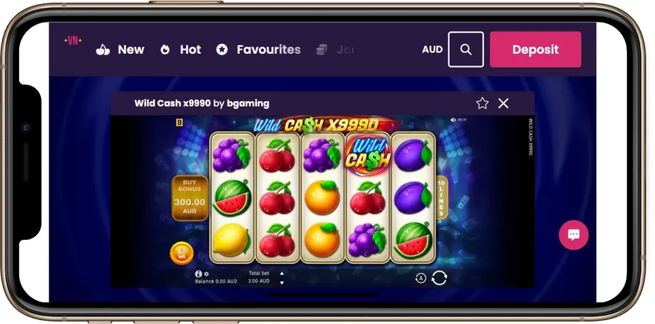
Once the account is ready, the lobby becomes the real working area. This is where readers need specifics: how easy it is to search, how filters behave, whether categories make sense, and whether the experience supports short sessions as well as longer ones. A platform can have a large catalog and still feel awkward if discovery takes too much effort.
Imagine you want one slot, one table option, and then a quick look at live content. Usually players expect that search to take seconds, not minutes. If categories overlap, filters reset too often, or game tiles reveal too little, the site starts wasting attention.
Session rhythm matters too. Some casinos encourage constant hopping through bright recommendations, while others let players settle into a calmer flow. Neither style is automatically wrong, but readers should know which type of environment they are entering, especially if they value focus and controlled play.
Payments, Limits, And Everyday Usability
The cashier tells the truth faster than the homepage does. Readers want to know whether the deposit path is simple, whether the withdrawal area feels understandable, whether pending states are explained, and whether the account separates real funds from promotional balances in a readable way. These details decide whether the experience stays smooth.
Imagine making a small deposit just to test the process. Usually players learn a lot from that one action: how many clicks it takes, how clearly the amount is shown, whether confirmation messages are readable, and whether the account returns them to the same place afterward.
A useful review should mention control tools around money and time. Deposit limits, cool-off options, and session reminders are not side features. For many adult players, they are part of the product itself, because they shape how manageable the platform feels over a week, not just a single evening.
Area To Check | What To Look For | Why It Matters |
|---|---|---|
Deposit Flow | Clear steps, visible amounts, simple confirmation | You know exactly when funds move |
Withdrawal Page | Status notes, review stages, readable history | You can follow progress without guessing |
Limit Tools | Spend, time, or break controls in account settings | You can shape the session before impulse grows |
Balance View | Separation between cash funds and promo funds | You avoid confusion when planning the next step |
Support Access | Easy route from cashier to help | Payment questions get resolved faster |
What A Sensible Cashier Page Looks Like
A sensible cashier page explains actions before you make them. It does not bury important details in tiny notes, and it does not force players to decode every status label on their own. The best pages feel almost quiet: amount, method, confirmation, history, done.
Picture a player checking the account late at night after a long day. Usually that person does not want to interpret vague labels or search three tabs for transaction history. A good cashier reduces decisions to the essentials and keeps the next step obvious.
Why Withdrawal Expectations Need Context
Withdrawal discussions often become emotional because players imagine a straight line from request to completion. In reality, several routine checks can sit in between, especially on a newer account. That does not automatically mean something is wrong, but it does mean expectations should be realistic.
If you submit a request and immediately start refreshing the page, the wait will feel longer than it is. Usually the better move is to check whether the account details are complete, whether any review note appears, and whether the payment history gives a clear status. Calm reading solves more than repeated clicking.
Support Quality And Problem Solving
Support becomes important the moment something small breaks. Maybe a balance looks unusual, maybe a document prompt appears unexpectedly, or maybe the lobby fails to load a game you just opened. At that point, readers want to know not whether help exists in theory, but whether it is easy to reach and easy to use.
Imagine you hit a payment question and need an answer before continuing. Usually the first thing that matters is finding help without leaving the whole flow. The second is whether the reply explains a next step in normal language instead of hiding behind stock phrases.
Good support also respects the difference between urgent and non-urgent issues. A player asking where to find limits needs direction. A player asking about an account review needs clarity and patience. A strong review should show whether the help system feels human or mechanical.
The Questions Worth Asking First
When contacting support, shorter is better. State the exact issue, what you were doing when it happened, what page you were on, and what you expected to see next. That structure gives the other side something concrete to solve.
Picture a player writing three emotional paragraphs after a failed session. Usually that message gets a slower and less precise answer than a clear note with four facts. The casino may still need time, but a structured request often produces a much better response.

Making A Calm Decision After The First Session
After the first session, the best question is not "Did I win?" It is "Did the platform behave in a way I would want to deal with again?" That shift improves almost every decision a reader can make. It moves attention from excitement to repeatability.
Imagine you spent forty minutes testing the account, the lobby, and the cashier. Usually the smart next move is to stop and review the basics: Was registration easy? Were limits visible? Did the payment path make sense? Was support reachable? Those answers matter more than any short-term result from a game.
This is also where adult players in Australia should take the long view. A casino should fit into normal life, not interrupt it. If the site creates confusion before a routine deposit, makes account controls hard to find, or turns simple actions into guesswork, that friction rarely improves later. If the platform feels orderly and readable in the first hour, later sessions may stay manageable.
A Simple Review Checklist To Use Every Time
Use five points. Check account clarity, lobby navigation, payment transparency, support access, and safer play tools. If three of those areas already feel weak, there is little reason to hope the rest of the experience will suddenly become smooth.
Picture a player comparing notes the next day. Usually the most useful memory is practical: how easy it was to set a limit, find a transaction, or understand an account prompt. Those details determine whether a casino deserves another visit.